Deublin machine tool unions
Coolant Through the Spindle, at Any Speed
Through-spindle coolant cools the tool and clears chips right at the cutting edge. Deublin machine tool unions feed coolant, MQL (a fine oil mist) or air into spindles turning at up to 50,000 rpm.
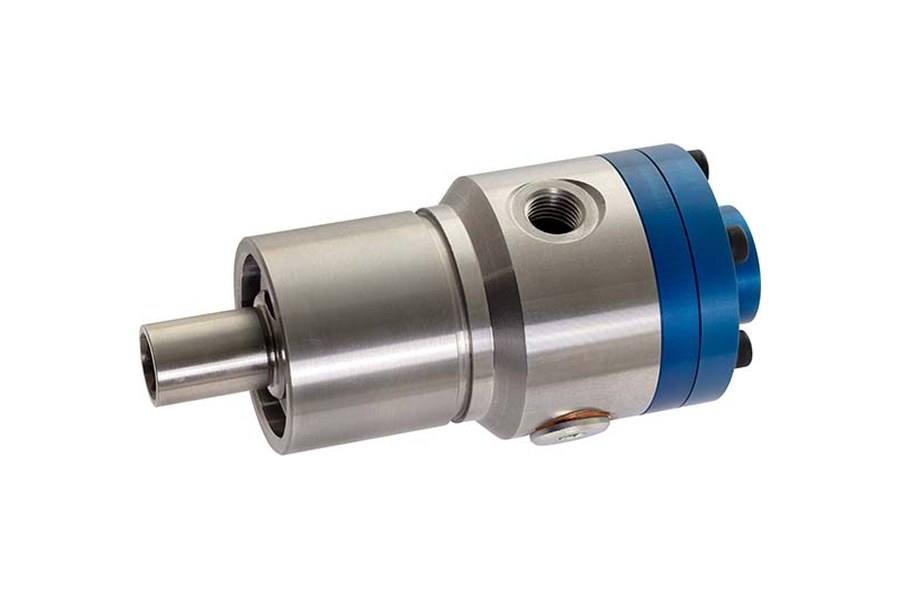
- 50,000 rpmmax. speed
- 210 barmax. pressure
- Coolant · MQL · airmedia
- 127 unionsin the finder
The range
Machine Tool Unions
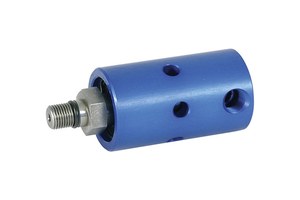
1005, 1101 & 1116 – Closed Seal
For coolant that’s always on while the spindle turns.
- 25 parts
- up to 105 bar
- up to 71 °C
- up to 15,000 rpm
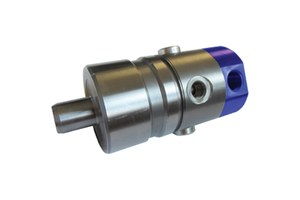
1108 – Closed Seal, High Speed
To 24,000 rpm and 150 bar.
- 4 parts
- up to 150 bar
- up to 71 °C
- up to 24,000 rpm
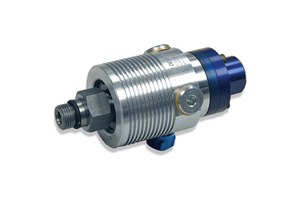
1109 & 1111 – Pop-Off®
Can run dry without damage.
- 17 parts
- up to 140 bar
- up to 71 °C
- up to 42,000 rpm
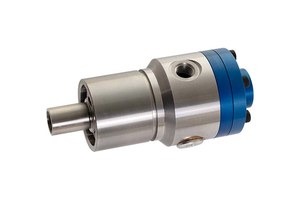
1114 – AutoSense®
Coolant, MQL or dry air; flange versions for bore mounting.
- 17 parts
- up to 140 bar
- up to 71 °C
- up to 50,000 rpm
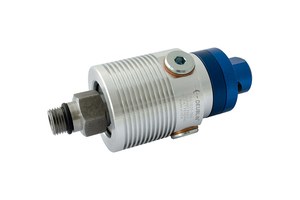
1103 & 1113 – SpindleShield®
Leak-sensing versions of the Pop-Off®, AutoSense® and closed-seal unions.
- 9 parts
- up to 150 bar
- up to 71 °C
- up to 24,000 rpm
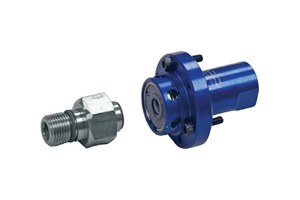
Bearingless 1117, 1121, 1124, 1154, 1159
Two-piece unions: the rotor rides in the spindle, for 30,000–50,000 rpm and up to 210 bar.
- 32 parts
- up to 210 bar
- up to 71 °C
- up to 50,000 rpm
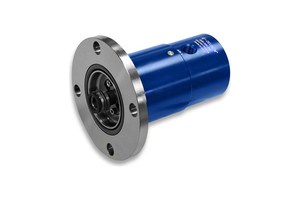
2620 – 2 Passages
Clamping hydraulics plus coolant or air.
- 14 parts
- up to 140 bar
- up to 71 °C
- up to 12,000 rpm
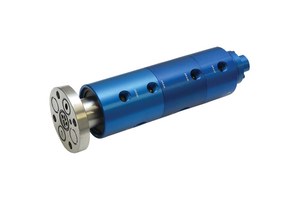
2630 / 2640 / 2650 – 3 to 5 Passages
Several media through one spindle union.
- 9 parts
- up to 140 bar
- up to 71 °C
- up to 10,000 rpm
Four ways to seal a spindle
Pick the Seal for How the Spindle Runs
Closed Seal
The seals stay closed, so coolant must be flowing whenever the spindle turns.
Pop-Off®
The seals open when there’s no pressure, so the spindle can run dry for as long as you like.
AutoSense®
Runs with coolant, MQL or dry air, and switches between them by itself.
SpindleShield®
A built-in sensor warns of a seal leak before coolant reaches the spindle bearings.
How to choose
Four Questions to Pick a Spindle Union
One Supply or Several?
Coolant alone, or coolant plus air and hydraulics? Several supplies need a multi-passage union.
Will It Ever Run Dry?
If the spindle sometimes turns without coolant, choose Pop-Off® or AutoSense® – never a closed-seal union.
What Pressure?
From 70 bar to 210 bar, depending on the series.
How Fast?
Standard unions to 12,000–24,000 rpm; bearingless unions to 50,000 rpm.
How it works
How Machine Tool Unions Work
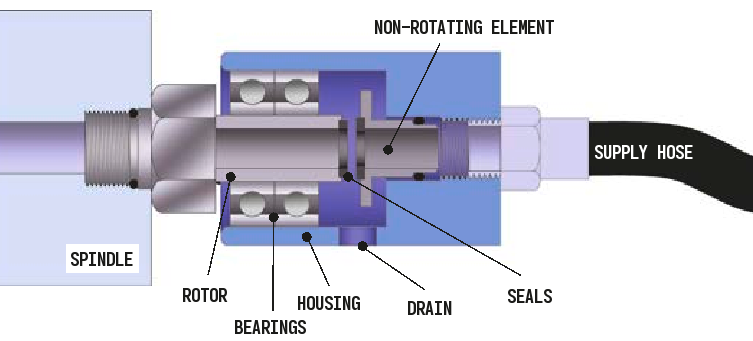
A rotating union is the joint between a fixed coolant hose and a spinning spindle. Coolant goes in through the union, down the middle of the spindle and out through the cutting tool.
Why Coolant Through the Spindle
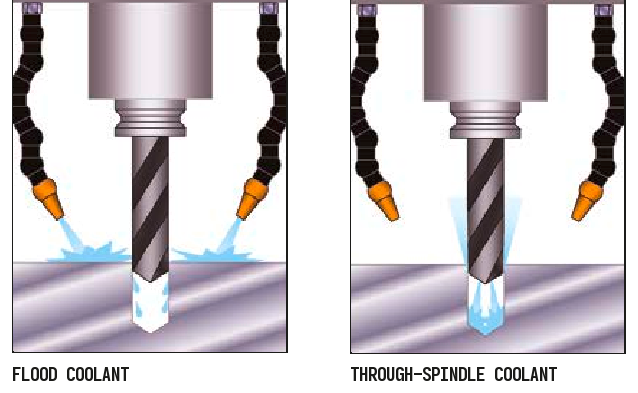
Flood coolant sprays the outside of the job, and often can’t reach the cutting edge in a deep hole or pocket. Through-spindle coolant comes out of the tool itself: it cools the edge, cuts friction and flushes the chips away.
The result is longer tool life, a better finish and faster feeds – it usually pays for itself in tools and coolant.
What’s Inside
The rotor screws into the spindle and turns with it. The non-rotating element presses against it, and the seals between them hold the coolant in. The housing connects the hose, and a drain carries away any coolant that seeps past.
Deublin’s seal faces are silicon carbide, lapped flat to within 0.58 microns, and balanced so they press together just enough – even at 140 bar and 20,000 rpm.
Bearing-Supported or Bearingless
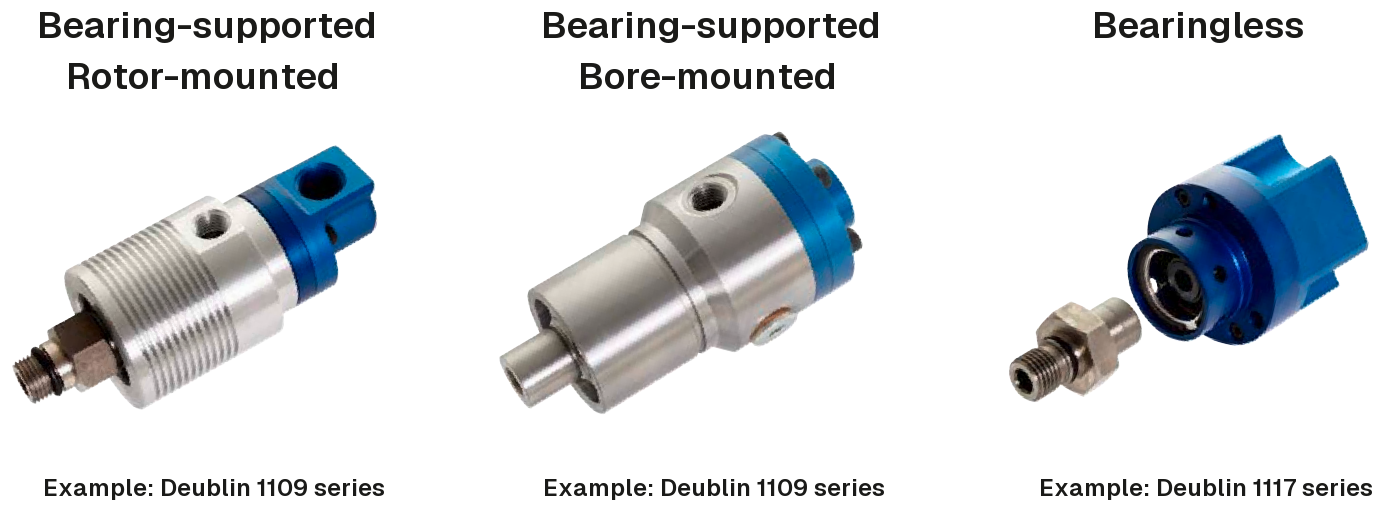
Bearing-supported unions are one piece, so they’re easy to fit and replace. They either screw onto the spindle (rotor-mounted) or slide into a bore in its end (bore-mounted).
Bearingless unions come in two pieces: a small rotor on the spindle and a housing on the machine. With no bearings they turn faster, can’t vibrate, and fit closely spaced spindles – but the seal faces need careful handling when fitting.
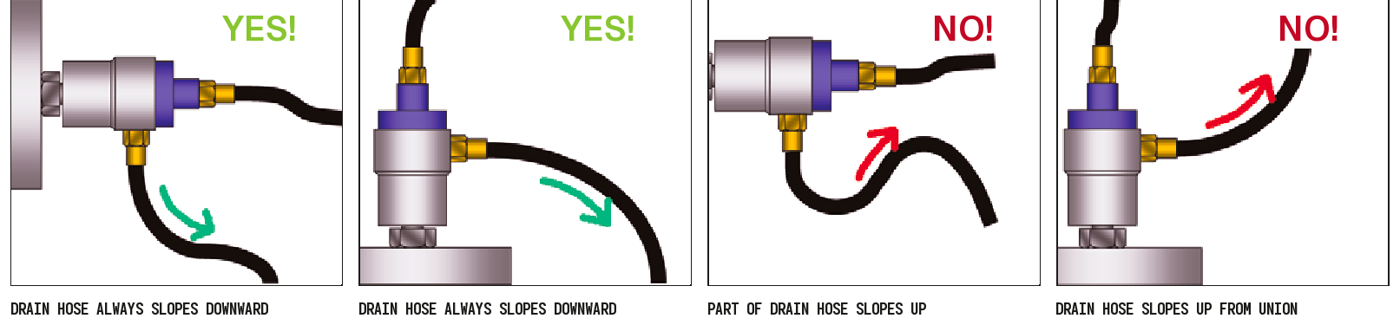
Drain Lines Slope Down
Every union lets a tiny amount of coolant across the seals – that keeps them lubricated. The drain hose must run downhill all the way, or coolant backs up into the union and the spindle.
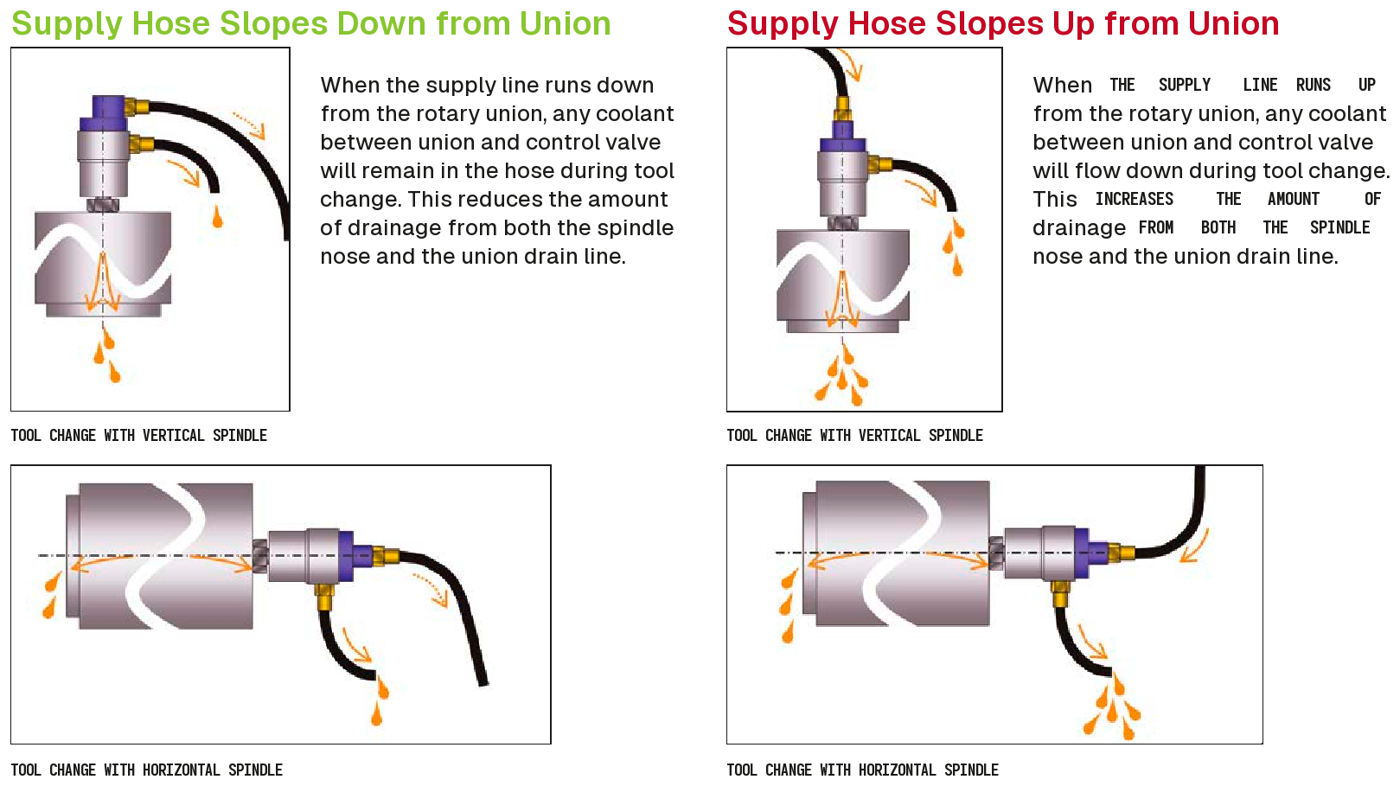
Run the Supply Hose Downhill
With Pop-Off® and AutoSense® unions, run the supply hose downhill from the union where you can. The coolant left in the hose then stays put during a tool change, instead of draining through the union and spindle.
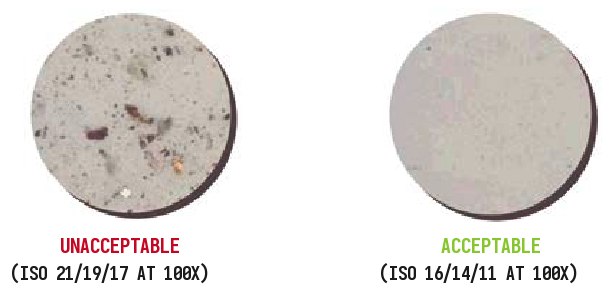
Keep the Coolant Clean
Dirty coolant wears seals. Filter to ISO 4406 17/15/12 (60 microns at most), top up with pure water rather than tap water, and keep the coolant mix right.
Maximum pressure, temperature and speed are the series limits and can’t all be reached at once. Check the catalogue page on each union, or call Norman G Clark before ordering.
Literature & related
More Information
- Machine Tool catalogue (MT232-AU)
Selection chart, sizes and ratings - Machine Tool catalogue – selecting a union (p. 5)
Which seal for which machine
Not Sure Which Union You Need?
Tell us what the machine has to do – the load, the speed, how often it runs and the space you have – and we’ll help you choose the right Deublin product.