Nexen clutch-brakes
Clutch and Brake in One Unit, for Fast, Repeatable Cycling
A clutch-brake fits between the motor and gearbox. One unit starts the load and stops it, so the machine can cycle quickly with less to install and maintain.
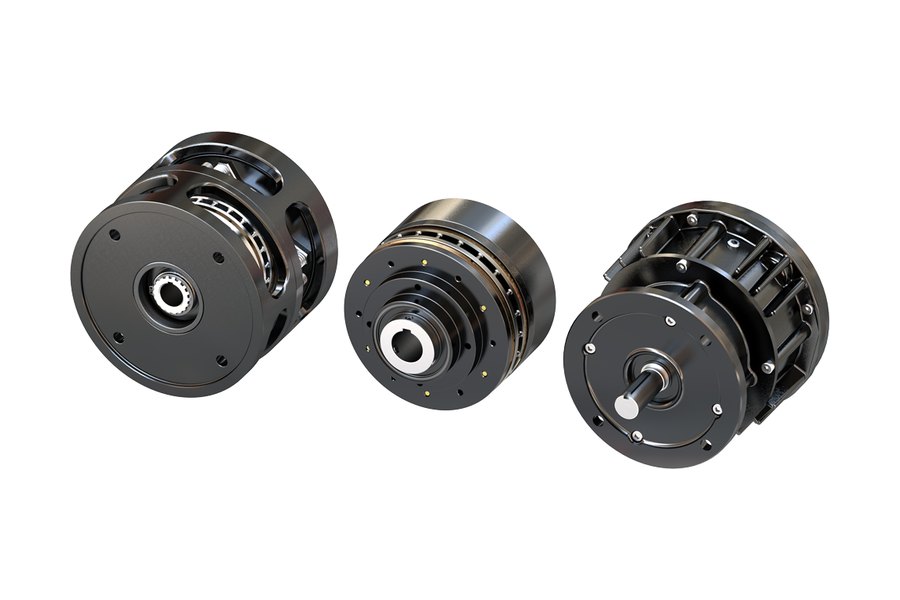
- 192 partsNEMA, IEC, modular and through-shaft
- 1,390 N·mmax. torque
- 3,600 rpmmax. speed
- NEMA & IECmotor sizes
How it works
How Clutch-Brakes Work
A clutch-brake has a clutch and a brake in one housing. When the clutch is on the brake is off, and the other way round – one air signal switches between them, so the load starts and stops in an instant.
Cycle and Index
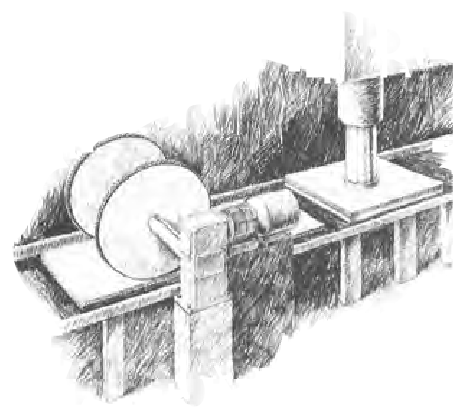
Start and stop a load many times a minute, moving a part or coil on by a set amount each time.
Inch and Jog
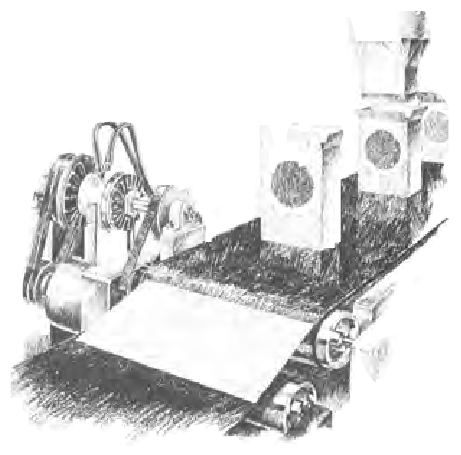
Move a machine in small, controlled steps for setting up, threading or cleaning.
Start and Stop Heavy Loads
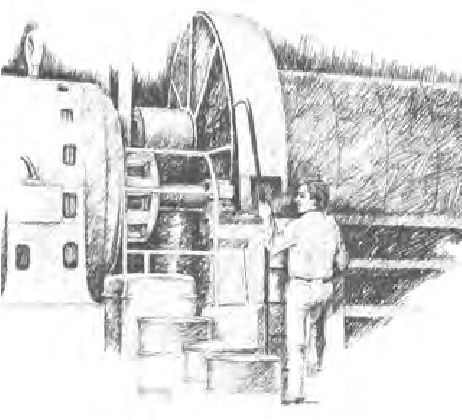
Big, heavy drums take a lot of energy to start and stop, and the clutch-brake turns it into heat. Check the heat rating as well as the torque.
How Much Torque?
Power and speed set the torque, and a service factor allows for the shock of starting.
Torque from power and speed
Torque = 9,550 × kW ÷ rpm × service factor (the Air Champ catalogue’s 63,000 × HP × K ÷ rpm, in metric). A guide only – we’ll check heat and cycling with you.
Why Nexen clutch-brakes
Built to Cycle All Day
No Overlap
In single-piston models the clutch and brake can never be on together, so they cycle fast without fighting each other.
Bolts Straight on
Fits directly to NEMA C-face or IEC B5 motors and gearboxes, or stands on its own feet.
A Finish for Every Site
Open for best cooling, or enclosed in black oxide, paint, nickel, or food-grade nickel (BISSC).
Holds If the Air Fails
Spring-brake models (FMCBES) hold the load when air is lost.
The range
Clutch-Brakes
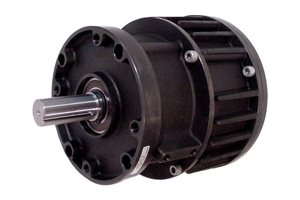
NEMA C-Flange Clutch-Brakes
For NEMA C-face motors and gearboxes, with locking key and built-in valve options.
- 42 parts
- 10.1–271 N·m (89–2,400 lb·in)
- up to 1,800 rpm
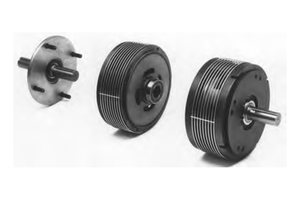
Modular NEMA C-Flange
Build the unit you need from modules.
- 20 parts
- up to 130 N·m (1,150 lb·in)
- up to 1,800 rpm
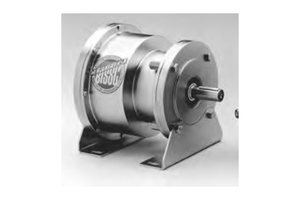
Metric Clutch-Brakes
For IEC B5 flange motors.
- 59 parts
- 10–33 N·m (88.5–292 lb·in)
- up to 1,500 rpm
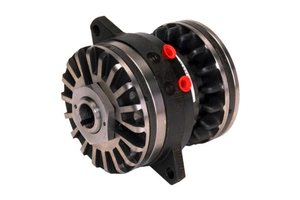
Through-Shaft Clutch-Brakes
Slide onto a shaft and drive a pulley or sprocket.
- 71 parts
- 2–1,390 N·m (17.7–12,285 lb·in)
- up to 3,600 rpm
Literature & related
More Information
- Clutch-brake selection chart (p. 222)
Which model for which job - Air Champ catalogue – clutch-brakes (p. 223)
NEMA, modular, through-shaft and metric
Not Sure Which Clutch-Brake You Need?
Tell us what the machine has to do – the load, the speed, how often it runs and the space you have – and we’ll help you choose the right Nexen product.