Nexen brakes
Stop It, Hold It, or Hold It Back
Nexen makes a brake for every job: quick-acting brakes for machines that stop and start all day, spring brakes that hold if the air fails, big caliper and drum brakes for heavy loads and emergency stops, and tension brakes for unwinding rolls.
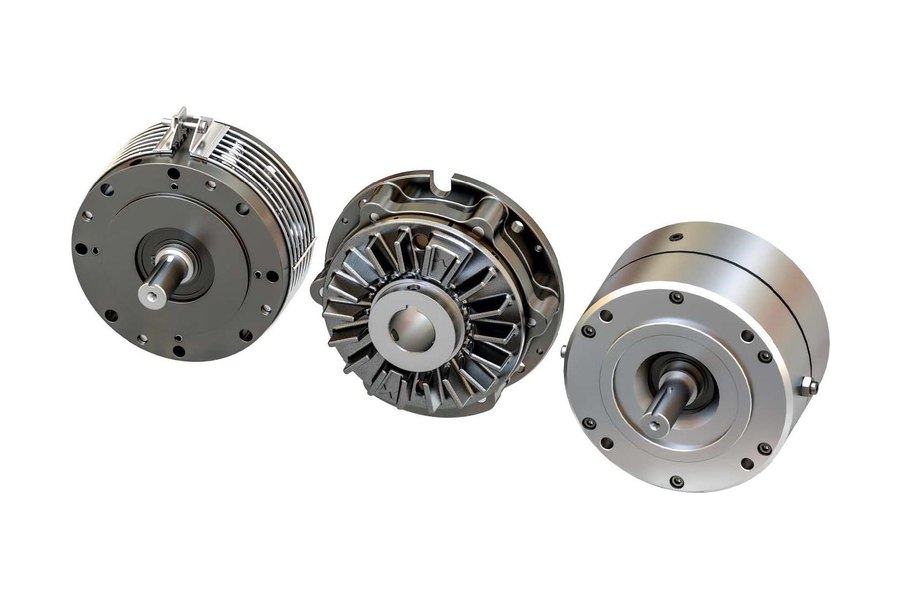
- 379 partsfriction, spring, caliper, drum, motor and tension brakes
- 4,070 N·mmax. torque
- Air or springoperated
- 24 inlargest caliper disc
The range
Brakes
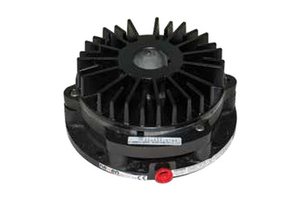
Friction Brakes
Air-operated brakes for stopping, cycling and positioning. Straight or tapered bore.
- 71 parts
- 2.03–181 N·m (18–1,600 lb·in)
- up to 3,600 rpm
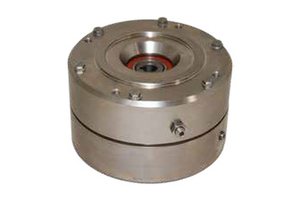
Spring Engaged Brakes
Air holds them off; springs put them on. They hold whenever the air is off – ideal for emergency stops.
- 59 parts
- 11.3–904 N·m (100–8,000 lb·in)
- up to 3,600 rpm
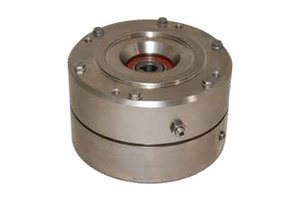
Metric Brakes
Friction and spring brakes for metric shafts.
- 19 parts
- 27–110 N·m (239–974 lb·in)
- up to 1,800 rpm
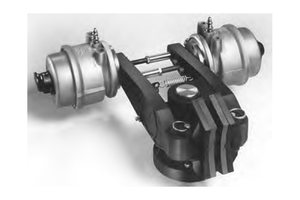
Caliper Brakes
Air- or spring-operated calipers on discs up to 24 in, for holding, emergency stops and slowing down.
- 44 parts
- 0.791–2,150 N·m (7–19,000 lb·in)
- up to 4,500 rpm
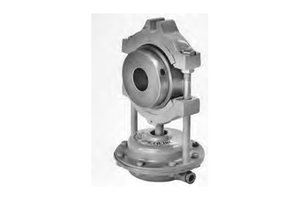
Drum Brakes
Shoes press on a drum keyed to the shaft. Hinge-top models make roll changes easy.
- 15 parts
- 136–424 N·m (1,200–3,750 lb·in)
- up to 5,500 rpm
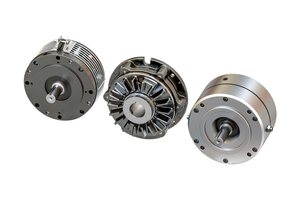
Dual Plate & High Capacity
For heavy loads with a lot of inertia.
- 16 parts
- 621–4,070 N·m (5,500–36,000 lb·in)
- up to 2,200 rpm
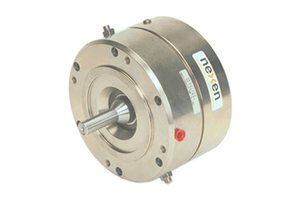
Spring-Set Motor Brakes
Bolt onto NEMA and IEC motors.
- 16 parts
- 3.73–10.4 N·m (33–92 lb·in)
- up to 10,000 rpm
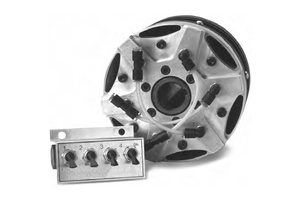
Tension Control Brakes
Finned brakes that shed heat while they slip all day on unwind stands.
- 139 parts
- up to 4,000 rpm
Made by Norman G Clark
Air Champ Brakes: Parts & Service
Manufactured by Norman G Clark under licence since 1962. Spare parts, repair kits, drawings and troubleshooting for each model, with Norman G Clark and Nexen part numbers.
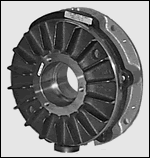
T-450
Brake Model T-450
- 2 units
- 13 spare parts
- 4 repair kits
T-600
Brake Model T-600
- 2 units
- 13 spare parts
- 4 repair kits
T-800
Brake Model T-800
- 2 units
- 13 spare parts
- 4 repair kits
T-1000
Brake Model T-1000
- 2 units
- 13 spare parts
- 4 repair kits
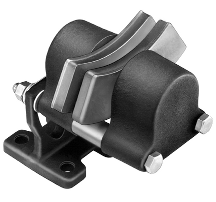
DB 8350
DB 8350 Caliper Brake
- 8 units
- 14 spare parts
- 1 repair kit
How it works
How Brakes Work
A brake turns movement into heat to slow or stop a load. Air-engaged brakes clamp when air is applied. Spring-engaged brakes clamp when the air is let out – so they hold if the air or power fails.
Hold a Load
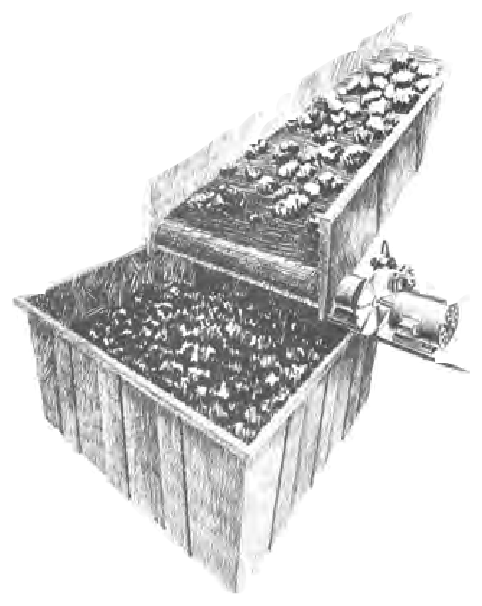
A spring brake holds a loaded incline conveyor when the power is off, so it can’t run backwards.
Stop in an Emergency
A spring brake stops and holds a hoist or lift the moment the power or air is lost.
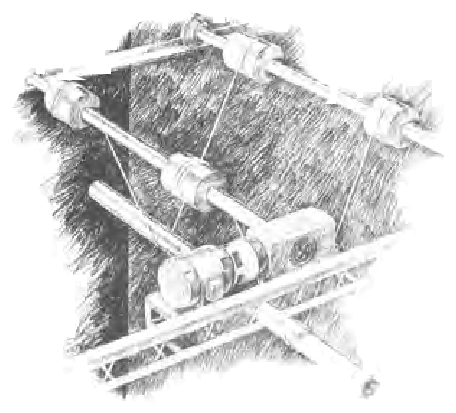
Stop in the Same Place
Braking at the same point every cycle lets a rotary table or transfer line stop exactly where the next step needs it.
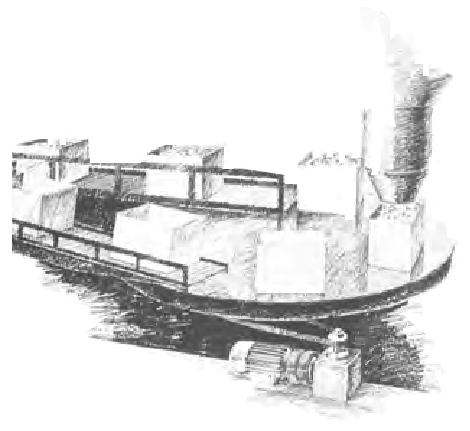
Hold Tension on an Unwind
On an unwind, a brake slips all the time to keep the web tight. As the roll gets smaller, the controller lowers the brake torque so the tension stays the same.
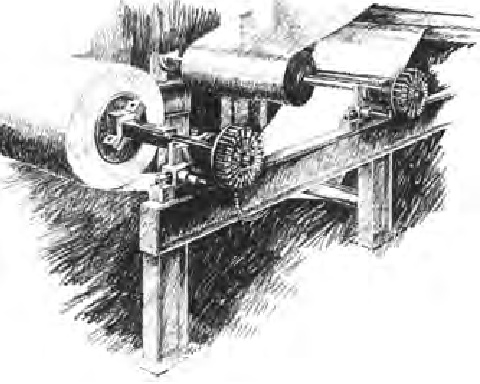
How Much Holding Torque?
Holding torque is the load’s force times the radius it acts at, times a safety factor. This uses the catalogue formula.
Holding torque
Torque = load force × radius × safety factor (Air Champ catalogue, holding example). A guide only.
Why Nexen brakes
Quick to Act, and Cool Running
Adjusts Itself
Brake facings take up their own wear, so stopping stays consistent.
Handles the Heat
Light moving parts and good cooling suit machines that stop and start all day.
Holds If the Air Fails
Spring brakes are held off by air. If air or power is lost, the springs clamp the brake on.
More Torque When You Need It
Caliper brakes can take several calipers on one disc, and come with discs in many sizes.
Literature & related
More Information
- Air Champ catalogue – brakes (p. 125)
Friction, motor, caliper, drum and dual plate brakes - Tension control brakes (p. 199)
TCB, XTB, BTBA and STB
Not Sure Which Brake You Need?
Tell us what the machine has to do – the load, the speed, how often it runs and the space you have – and we’ll help you choose the right Nexen product.